Discover 10 science-backed ways to age slower naturally, including healthy eating, quality sleep, exercise, skincare, stress management and daily wellness habits.
Ageing is a natural part of life, but the way we care for our bodies can influence how we feel as we grow older. Although no method can stop the ageing process completely, healthy daily habits can support physical strength, skin health, mental wellbeing and overall quality of life.
If you want to learn how to age slower naturally, you do not necessarily need expensive treatments or complicated routines. Small, consistent changes to your diet, sleep schedule, physical activity and skincare can make a meaningful difference to your long-term wellbeing.
In this guide, you will discover 10 practical habits that support healthy ageing, along with simple ways to include them in your daily routine.
What Does It Mean to Age Slower?
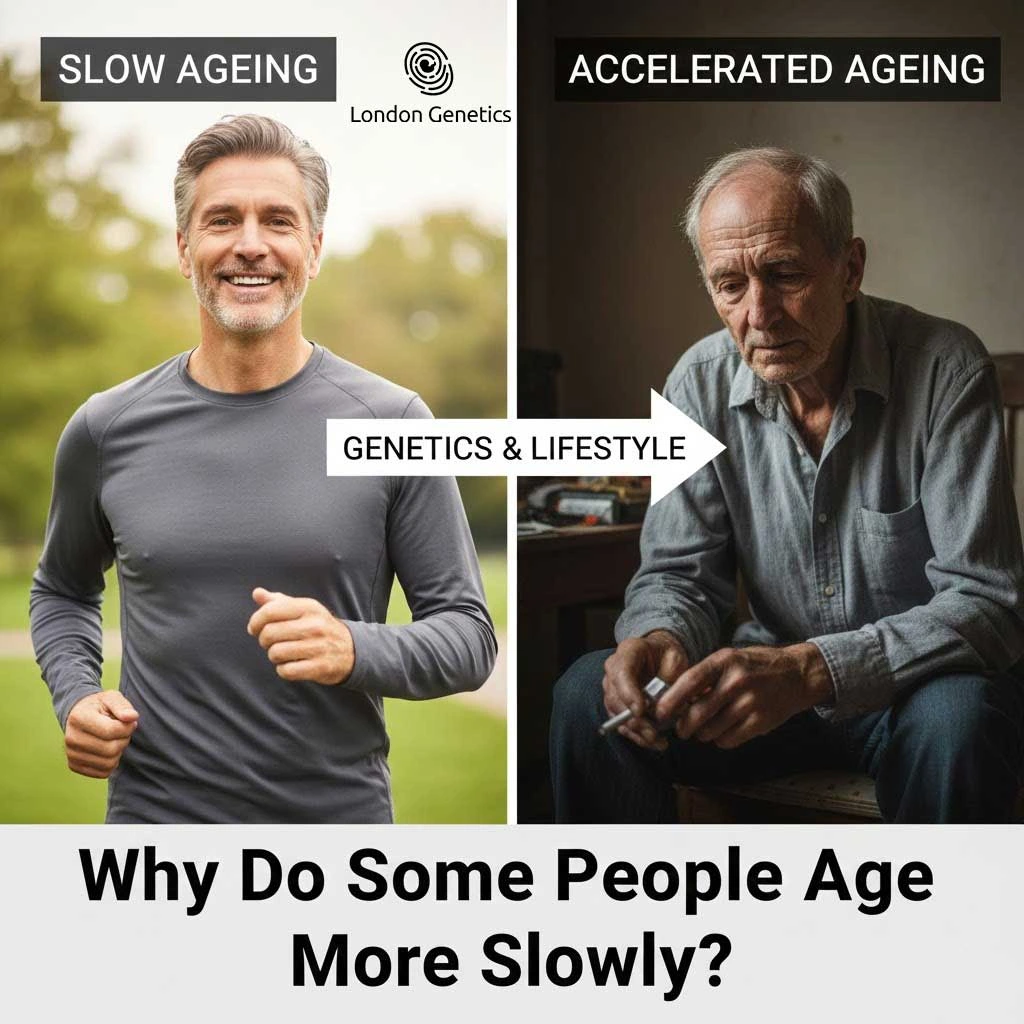
Ageing involves gradual changes in the body, including changes in the skin, muscles, bones, metabolism and other body systems. Genetics play a role, but lifestyle, environmental exposure and access to healthcare also influence how people age.
The goal of healthy ageing is not to remain young forever. Instead, it is to maintain independence, energy, mobility and wellbeing for as long as possible.
Healthy habits cannot guarantee a longer life or prevent every age-related condition. However, evidence supports several lifestyle choices that can improve health and reduce the risk of certain chronic diseases.
1. Eat a Balanced, Nutrient-Rich Diet
Nutrition is one of the foundations of healthy ageing. Your body needs a variety of nutrients to maintain muscles, support immunity, repair tissues and perform everyday functions.
Try to build meals around vegetables, fruits, whole grains, legumes, nuts and suitable protein sources. Fish, eggs, beans, lentils, yoghurt and other protein-rich foods can help support muscle maintenance.
Foods containing healthy fats, such as nuts, seeds, olive oil and certain fish, can also form part of a balanced eating pattern.
Foods to Include Regularly
- Colourful vegetables and fruits: Provide vitamins, minerals and beneficial plant compounds.
- Whole grains: Oats, brown rice and whole-wheat foods provide fibre and other nutrients.
- Protein-rich foods: Beans, lentils, eggs, fish and other suitable sources help maintain muscle.
- Nuts and seeds: Supply healthy fats, fibre and minerals.
- Water: Helps maintain normal hydration and supports essential bodily functions.
No single food can prevent ageing. Focus on an overall balanced diet rather than relying on so-called anti-ageing superfoods or restrictive diets.
2. Make Quality Sleep a Priority
Sleep gives your body time to recover and supports memory, mood, immune function and general health. Regularly sleeping too little can affect concentration, energy levels and metabolic health.
Most adults need around seven to nine hours of sleep each night, although individual needs vary.
To improve your sleep, try going to bed and waking up at consistent times. Keep your bedroom comfortable and quiet, reduce bright light before bedtime, and avoid heavy meals close to sleeping time if they disturb your rest.
Limiting late-day caffeine may also help. If you regularly experience severe sleep problems, loud snoring or persistent daytime tiredness, consider speaking with a healthcare professional.
3. Exercise Regularly to Maintain Strength
Physical activity helps preserve muscle strength, balance, mobility and cardiovascular fitness. It can also support mental wellbeing and help people remain independent as they grow older.
You do not need to start with an intense workout programme. Walking is a practical option for many people, while cycling, swimming and other suitable activities offer alternatives.
A balanced weekly routine can include:
- Aerobic activity: Brisk walking, cycling or swimming.
- Strength exercises: Suitable resistance exercises that strengthen major muscle groups.
- Balance activities: Exercises that support stability and reduce the risk of falls.
- Flexibility work: Gentle stretching to maintain comfortable movement.
Public health guidance generally recommends that adults aim for 150–300 minutes of moderate-intensity aerobic activity each week, alongside muscle-strengthening activities on at least two days, adjusted for individual ability and medical advice.
Start gradually if you are inactive. Choose activities you enjoy so that exercise becomes a sustainable habit.
4. Protect Your Skin from Sun Damage
Skin changes naturally with age, but ultraviolet (UV) radiation from sunlight contributes to premature skin ageing. Repeated exposure can increase the appearance of wrinkles, uneven pigmentation and other forms of skin damage.
Sun protection is therefore an important part of a healthy skincare routine.
Consider these practical steps:
- Apply a broad-spectrum sunscreen with SPF 30 or higher to exposed skin.
- Reapply sunscreen according to the product instructions, especially after swimming, sweating or prolonged outdoor activity.
- Wear protective clothing, sunglasses and a hat when appropriate.
- Seek shade when UV exposure is strong.
- Avoid indoor tanning.
Sunscreen helps protect the skin from UV damage, but it cannot stop the natural ageing process completely.
5. Manage Stress in Healthy Ways
Long-lasting stress can affect sleep, mood, eating habits and other aspects of health. Although stress cannot be eliminated from everyday life, learning to manage it can support overall wellbeing.
Try setting aside a few minutes each day for slow breathing, meditation, prayer, journalling or another relaxing activity that suits you.
Spending time outdoors, maintaining friendships and participating in enjoyable hobbies may also help you cope with stress.
If stress feels overwhelming or continues to affect your daily life, seeking professional support is a sensible step. Managing stress is not about staying positive all the time; it is about finding practical ways to recover and cope with challenges.
6. Stay Hydrated Throughout the Day
Water supports temperature regulation, digestion, circulation and other essential body functions. Your fluid needs depend on factors such as activity, climate, diet and health.
Drink fluids regularly throughout the day and pay attention to thirst, especially during hot weather or physical activity.
Water-rich foods, including fruits and vegetables, can contribute to your fluid intake. People who have been advised to restrict fluids because of a medical condition should follow their healthcare professional’s guidance.
Drinking excessive amounts of water will not reverse ageing age slower, and there is no single daily quantity that is ideal for everyone.
7. Follow a Simple, Consistent Skincare Routine
A good skincare routine does not need to contain many expensive products. Consistency and choosing suitable products are often more useful than following every new skincare trend.
A basic routine may include:
Morning
- Cleanse your face gently.
- Apply a moisturiser suitable for your skin type.
- Use broad-spectrum sunscreen with SPF 30 or higher.
Evening
- Remove sunscreen, makeup and daily dirt.
- Apply a suitable moisturiser.
- Consider targeted skincare ingredients only if appropriate for your skin.
Retinoids can help improve certain signs of photoageing, while vitamin C products may help with some forms of uneven pigmentation. However, results vary, and products can cause irritation.
If you are considering retinoids, introduce them cautiously and seek advice from a qualified healthcare professional when needed. Retinoids should generally be avoided during pregnancy unless a clinician specifically advises otherwise.
8. Maintain Social Connections and Mental Wellbeing
Healthy ageing involves more than physical appearance. Social relationships, mental stimulation and a sense of purpose can contribute to quality of life.
Make time for family and friends, learn a new skill, read regularly or participate in activities within your community. Hobbies can provide enjoyment while encouraging creativity and mental engagement.
If possible, combine social interaction with physical activity, such as walking with a friend or joining a suitable group class.
There is no guaranteed way to prevent cognitive decline, but maintaining social connections and addressing health concerns are valuable parts of overall wellbeing.
9. Be Careful with Anti-Ageing Supplements
Supplements are frequently marketed as ways to maintain youthful skin, increase energy or slow biological ageing age slower. However, strong evidence that a supplement can slow the entire ageing age slower process in healthy people is limited.
Some supplements may be useful when a person has a specific nutritional deficiency or medical need.
For example, vitamin D is important for bone health, while omega-3 fatty acids are essential fats. Collagen supplements have been studied for certain skin and joint outcomes, but the evidence varies, and results are not guaranteed.
Before starting supplements, consider your diet, existing medications and health conditions. Ask a qualified healthcare professional whether a supplement is appropriate for you.
Avoid products promising to reverse ageing age slower, restore youth completely or deliver guaranteed results.
10. Avoid Smoking and Limit Alcohol
Smoking damages the body and increases the risk of several serious diseases. It can also contribute to premature skin ageing. Quitting smoking offers health benefits at any age, and support from a healthcare professional can improve the chances of success.
Alcohol can also affect sleep, the liver, cardiovascular health and other body systems. If you drink, reducing your intake can lower some health risks. Avoiding alcohol is the lowest-risk option for alcohol-related harm.
These changes may be more beneficial than spending money on products that make unproven anti-ageing claims.
A Simple Daily Routine for Healthy Ageing
You can start with a manageable routine rather than changing everything at once.
Morning
- Wake up at a consistent time.
- Drink water according to your needs.
- Eat a balanced breakfast.
- Apply sunscreen before going outdoors.
Afternoon
- Include vegetables and a suitable protein source in your meals.
- Take a walk or do another appropriate physical activity.
- Take short breaks to relax if you work for long periods.
Evening
- Eat a balanced meal.
- Spend some time on a relaxing hobby or with loved ones.
- Follow a simple skincare routine.
- Reduce stimulating activities before bedtime.
Adapt this routine to your work schedule, health needs and personal preferences. Consistency matters more than perfection.
Explore the Age Slower Digital Guide
If you would like a structured resource to explore wellness habits and healthy living, you can also look at the Age Slower digital guide available through my Gumroad store.
The guide is intended for readers interested in lifestyle, nutrition and everyday wellness information. Review the product description and contents before purchasing to decide whether it meets your needs.
Explore the Age Slower Digital Guide on Gumroad
Disclosure: I offer this digital product for sale through my Gumroad store. It was sourced from IDPLR under Master Resell Rights, according to my product information. This is a direct product sale, not an affiliate recommendation. Please review the seller’s terms and product details before purchasing.
Frequently Asked Questions About Healthy Ageing
1. Is it possible to slow down ageing naturally?
You cannot stop ageing age slower, but healthy habits can support physical function and reduce the risk of some chronic diseases. Balanced nutrition, regular exercise, quality sleep and sun protection are useful starting points.
2. Which foods are best for healthy ageing ?
There is no single best food. A balanced diet containing vegetables, fruits, whole grains, legumes, nuts and suitable protein sources provides a range of nutrients that support general health.
3. Does exercise help you look and feel younger?
Exercise can improve strength, stamina, mobility and mood. These benefits can support a healthier, more active lifestyle, although exercise cannot prevent every age-related change.
4. Can skincare products reverse ageing age slower?
No skincare product can reverse the entire ageing process. Sunscreen can help prevent UV-related damage, while some ingredients may improve particular skin concerns over time.
5. Are anti-ageing supplements necessary?
Not necessarily. Many people can obtain essential nutrients through a balanced diet. Supplements may be appropriate for specific needs, but they should not be treated as guaranteed anti-ageing treatments.
6. How long does it take to notice the benefits of healthy habits?
The timeframe varies. Sleep and activity changes may influence how you feel within weeks, while other health benefits develop over longer periods. Results depend on your starting point and consistency.
7. What is the most important habit for healthy ageing?
There is no single habit that works for everyone. Combining nutritious food, physical activity, adequate sleep, sun protection and appropriate healthcare provides a more balanced approach.
Final Thoughts: Start Your Healthy Ageing Journey Today
Learning how to age slower naturally is about supporting your health, not chasing an unrealistic promise of eternal youth.
You can begin with simple actions: eat balanced meals, move your body regularly, protect your skin from sunlight, get sufficient sleep and maintain meaningful social connections.
Avoid miracle products and remember that healthy ageing looks different for each person. Choose realistic habits that fit your life and build on them gradually.
The best routine is one you can maintain consistently over time. Start with one positive change today and work towards a healthier, more active future.